
If you’ve been teaching English for any length of time, you’ve definitely heard students say…
Project-Based English: Your Ideal City
Everyone has a rough idea of what a good city feels like. After all, most of us have lived in places we’ve complained about or wished were designed differently. This final project in our Project-Based English series gives students the opportunity to use their creativity and English skills to build a city they’d actually want to live in. Introducing: Your Ideal City. Just like the other projects in this series, this activity is designed for intermediate to advanced English learners looking to further challenge and develop their English skills.
Pre-Project Discussion

Before introducing this project to your class, start with a discussion about what students dislike most about their cities or commonly complain about. If you teach a group of international students, this discussion can become especially engaging, as similarities and differences between city-related issues will repeatedly emerge. Take note of students’ frustrations on your shared screen and explain how no city in the world is perfect; there’s always room for improvement. That’s exactly where your students come in: to design a city that they’d actually want to live in.
What Students Need to Consider
Give the groups a planning framework that covers many major dimensions of urban life. Here are some categories to work with and some questions to consider:
- Transport: How do people get around? Is there a car culture or can everywhere be reached by walking or biking?
- Healthcare: Is it free? How is it funded? What makes it accessible to everyone?
- Education: What does school look like? How do students get evaluated?
- Nature: How much nature exists? How does the city protect it?
- Housing: What does affordable housing look like here? What kinds of buildings do most people live in?
- Safety: How is the city kept safe? How does it deal with crime?
- Social services: How are vulnerable people supported?
- Commerce: How does the economy work? Mainly big chains or local businesses?
- Culture & Art: What does the city celebrate? Who participates in these celebrations?
- Sustainability: How does the city treat the environment? What’s its future plan?
- Community: How do people connect? What brings the city together?
- Location & Scenery: Where is the city located? What does the landscape look like?
Groups don’t have to cover every pillar, but they should make conscious choices about what to prioritize and be ready to explain why. A city that invests heavily in green space might have less commercial density. One that’s entirely car-free needs a world-class public transport system. Make sure that students understand every decision has its trade off and to consider those in their city plan.
Teacher Tip
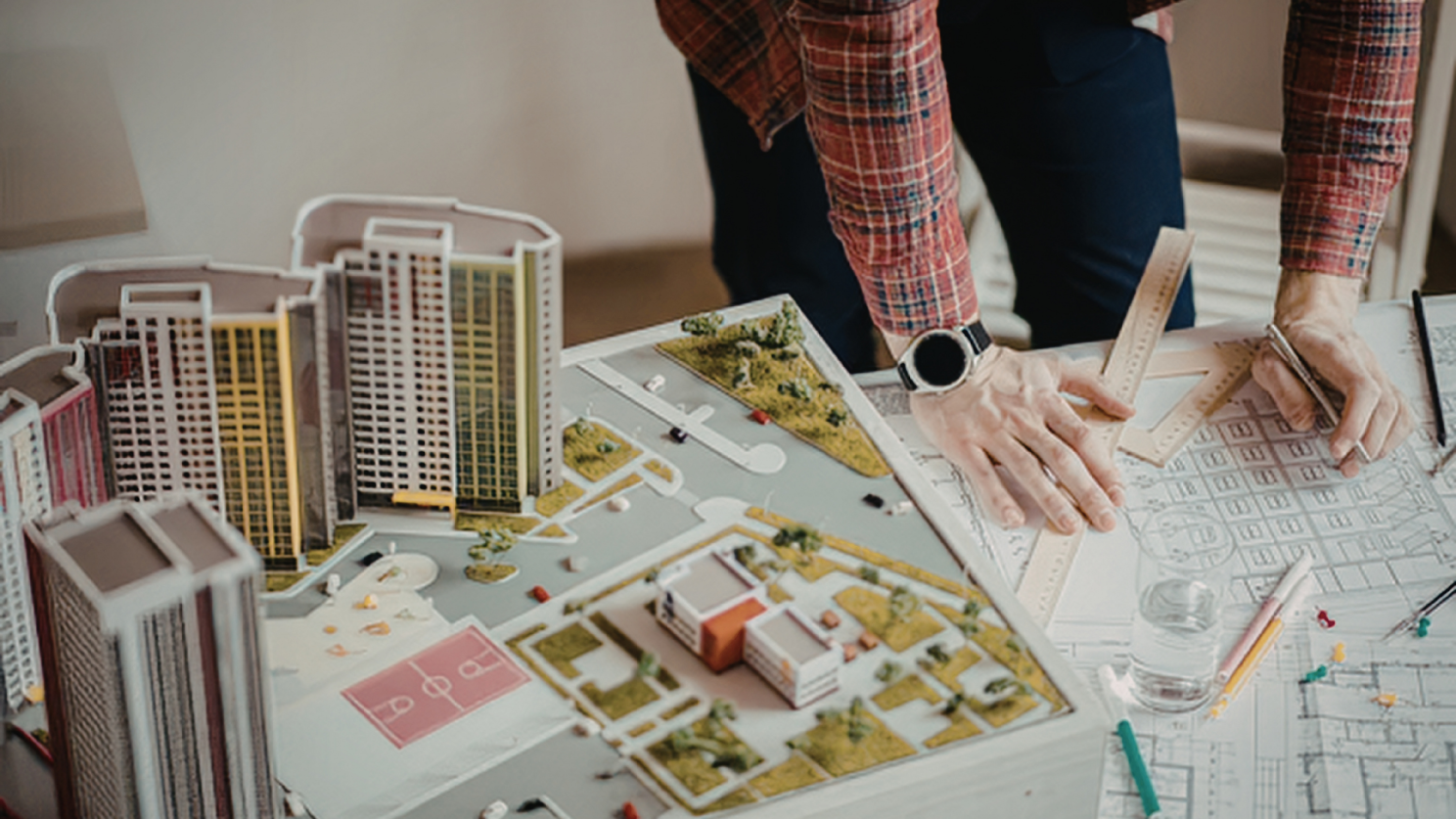
The sheer number of factors to be considered when building a city can be overwhelming. Give groups a simple constraint: they must name their city and choose one guiding principle that everything else flows from.For example, “A city built around walking distance” or “a city where no one is invisible”. Having a main theme gives the groups a foundation to go back to throughout their talk and makes it much more persuasive and interesting than dryly listing all the city’s features.
How to Run: Your Ideal City
All of these steps can be completed over multiple days of class.
1) Introduce Project
Present the task clearly: Each group is in charge of designing their ideal city from scratch and will present their city plan to the class. Their city needs a name, a highlighting feature, and at least five reasons why someone would choose to live there. Emphasize that the goal isn’t a utopia checklist, but rather a realistic vision with genuine priorities.
2) Form Groups
Split students up into groups of 2-3 in a physical classroom or put them into breakout rooms if you’re teaching online. Try to match students with classmates they haven’t worked with before so they can experience working with different people.
3) Design and Plan

Students get ample amount of time to design their ideal city. You can circulate between the groups and breakout rooms to give some feedback and ask probing questions. For example, “If healthcare is free, how is it funded?” or “You have a walkable city, but what does that mean for someone with a disability?” These questions sharpen the groups’ thinking and can make their presentations more compelling.
4) Build the Presentation
Encourage your students to build their presentation in a story-telling format rather than just listing the features of their city. For example, “Imagine it’s a Wednesday morning in [City name]. Here’s what your day looks like…” This narrative hook draws the audience and makes the city feel lived-in rather than theoretical. Each group member should be responsible for talking about a few of the pillars and should anticipate questions the audience might ask.
5) Presentation Day

Each group presents their city to the class and after each presentation, open the floor for questions. Encourage the audience to think like future residents: “What happens if I can’t afford the housing?”, “Is this city accessible if I don’t speak the local language?”, “What does retirement look like here?” These questions push presenters into unscripted territory and generate authentic language use!
6) The Vote

After all cities have been presented, each student chooses one city they would like to live in. And no, they cannot vote for their own! Every student must justify their choice out loud in at least two sentences: “I would like to live in [city] because…”
And that’s the end of our Project-Based English series…for now. We hope you enjoyed all five activities and will try them out with your intermediate to advanced English classes!

Related Posts