
In the first part of our series on bringing hygge into your online classroom, we…

Project-Based English: The Mini TED Talk
Every student in your class is an expert in something (believe it or not). One has raised dogs for fifteen years. Another can explain the rules of soccer better than most commentators. A third has strong knowledge about why architectural buildings are designed the way they are. But…none of them have ever been given five minutes to share their expertise…in English!

The Mini TED Talk is the fourth project in our Project-Based English series for intermediate to advanced English learners, and it’s the first solo project. The value of individual projects is that each student’s voice can be heard equally.
Sometimes in groups, one student’s voice dominates the discussion, but now the stage is open for every student to share about something they’re passionate about without interruption. Public speaking is a skill that proves valuable in any profession and social setting, so not only will students improve their English through this exercise, they will also improve their speaking confidence.
This project is inspired by the TED Talk format that millions of people watch for education and entertainment. However, instead of the typical 18 minutes per talk, students only need to deliver a five-minute talk on a topic they’re genuinely passionate about or knowledgeable in. Each talk is followed by a short audience Q&A. This may just result in one of the most memorable speaking experiences students have in an online English classroom!
Topic Selection: The Topic Must Be One the Student Cares About
The single most important decision in this project is topic choice. A student speaking about something they know deeply and care about will perform better than another student speaking about something they researched last week. Passion is a great language resource.
Encourage your students to think beyond the obvious topics. The focus of their talk doesn’t need to be something academic or common, it just has to be something they’re genuinely interested in.
Here are some examples you can provide:
- A skill or craft (e.g. “What I’ve learned from five years of crochet”)
- A place they know or visited (e.g. “The best trip I ever took”)
- A belief or opinion (e.g. “Boredom is the root of creativity”)
- Something they’ve studied (e.g. “What makes a good life?”)
- A personal passion (e.g. “Why soccer brings the world together”)
- A change of mind (e.g. “I used to hate running, but now I love it”)
- A niche interest (e.g. “Why I love collecting stamps”)
- A problem they care about (e.g. “Why are cities not more friendly for cyclists”)
If students struggle to decide on a topic, try asking them to write down three things they believe they know more about than most people in the room. The answers are almost always surprising, and will lead to somewhere interesting. Many of the best TED Talks come from the third answer on that list, not the first.
The Talk Structure

TED Talks draw our attention because they follow an effective structure, even when the speaker doesn’t consciously know it. Teach students this simple four-part structure to provide them with a framework to organize their talk.
0:00-0:45 The hook: Share a story, question, or striking fact that earns the audience’s attention.
0.45-2:30 The core idea: The main insight, knowledge, or argument. This is the thing they want their classmates to know.
2:30-4:15 The evidence: Examples, stories, facts, or personal experience that prove the idea.
4:15-5:00 The landing: A memorable closing that can be a call to action, a circle back to the hook, or a final thought.
This is not a strict formula that students must follow for their talk, it’s simply a guide to help them shape their talks in a more exciting way.
How to Run: The Mini TED Talk
Just like all the other Project-Based English activities, feel free to run this one over a number of classes to give students time to brainstorm, prepare, and deliver.
1) Watch and analyse

Start by watching a short clip from a real TED Talk together. Pick one that is energetic, accessible, and doesn’t use too many technical words. As a class, hold a discussion about how the speaker opened their talk and captivated the audience. Ask students to analyze their voice and pacing. This sets the standard for their mini TED Talk without intimidating anyone.
2) Choose a topic

Each student selects their topic and shares it with the class in one sentence: “I’m going to talk about [topic] because [reason it matters to me].” This brief announcement commits students to their topics and gives the class a first taste of what’s coming to generate some excitement. You can give light feedback if a topic seems too vague or too vast for a five minute speech.
3) Plan and outline
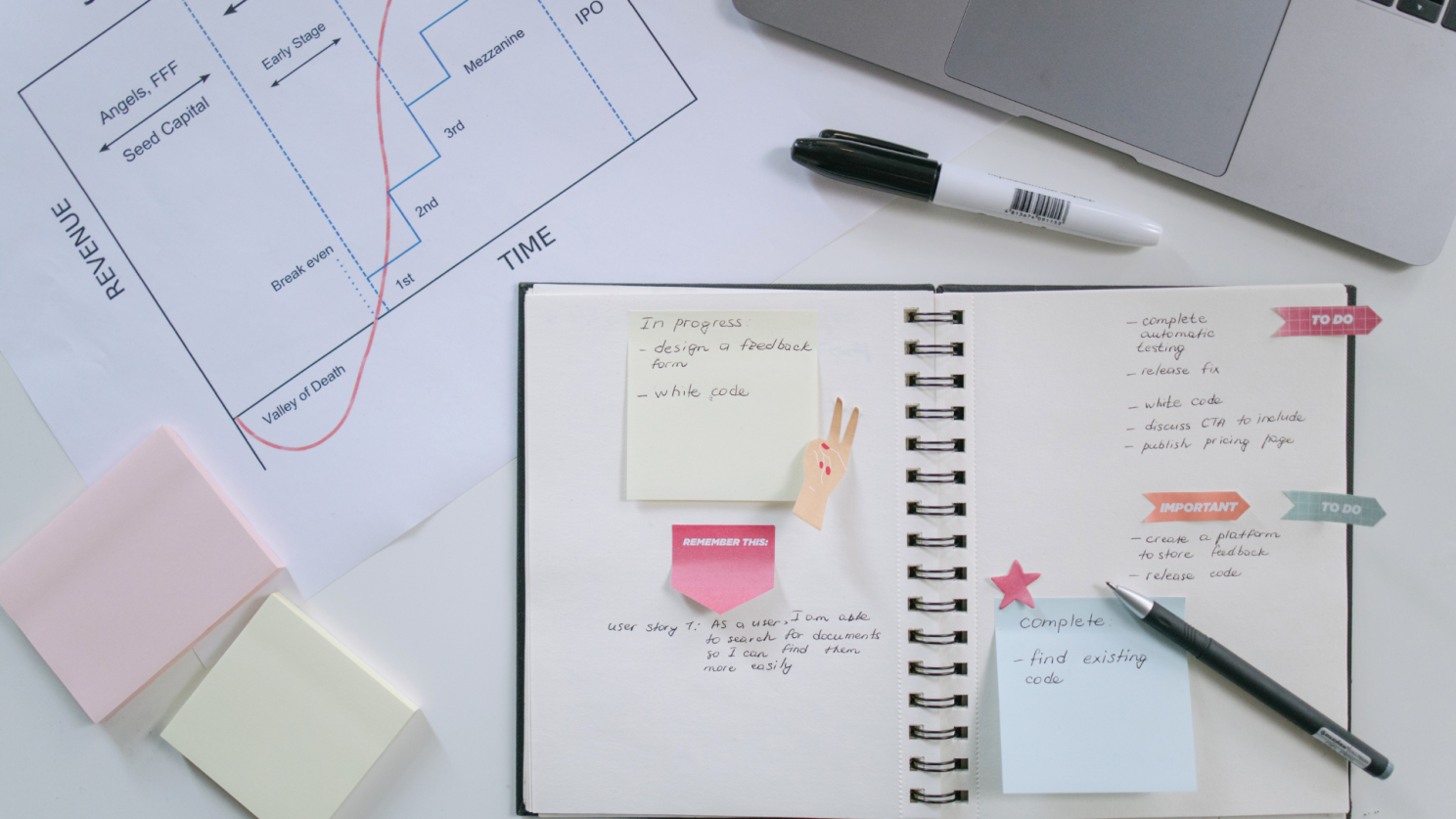
Share about the talk structure highlighted above and have students plan their talk using the structure as a scaffold. They don’t need a full script. In fact, discourage them from writing a full script as that leads to reading rather than speaking. Instead, encourage your students to write a detailed outline with bullet points and key phrases for each section. The hook and the landing deserve the most attention as these are the moments that stay with an audience.
4) Rehearse and record (between classes)

Ask students to rehearse their talk at least twice before presenting. The first run-through reveals any gaps, such as missing vocabulary or straying from the topic. The second run-through is usually smoother. You can also encourage students to record a rough version of their talk on their phone and watch it back. This is a powerful (also slightly uncomfortable) self-feedback tool that develops metacognitive awareness of their own speaking.
5) TED Talk day

Each student delivers their five-minute talk to the class and a few minutes after each talk is reserved for two or three questions from the audience. Questions should be genuine and curious, not “gotcha” moments. You may want to model good question-asking before the first talk. Give examples like, “What made you first interested in this?”, “Could you say more about…?”. Try to keep the atmosphere warm and supportive. Make it seem more like a fun event, rather than an assessment.
6) Peer feedback

After all the talks are done, invite students to share one thing that stuck with them from a classmate’s talk. We’re not talking about general praise here, but a specific moment, idea, or phrase that set off a lightbulb moment. This active recall exercise reinforces listening comprehension and gives speakers meaningful feedback. You might just be surprised what your students (and you, yourself) will learn from these mini TED Talks.
We hope you’ve been enjoying these Project-Based English activities for your online English classes. This series is for English learners who are at an intermediate to advanced level, to push their comfort zone in English and further their progress and confidence in this language. Next week, we’ll be sharing our final Project-Based English activity in this series, so stay tuned!

Related Posts