
Last week, we introduced niksen, the Dutch concept of deliberately doing nothing. We also shared…

Project-Based English: 100 Uses for Common Objects
The second project in our Project-Based English series is called “100 Uses for Common Objects”. It’s a fun, creative activity you can run in an online English classroom that gets students laughing, arguing, negotiating and inventing. Somewhere between all of that, students will start thinking in English!

The premise of this project is that each group receives a mundane, everyday object and has to brainstorm as many uses for it as possible. The end product is that they have to sell this item to their classmates in the style of a commercial.
There is no specialized vocabulary required nor technical knowledge needed for this activity. All it takes is just imagination, collaboration, and a willingness for your students to look at common objects and ask: What else could this do?

Object ideas to get your started:
- Fork
- Roll of toilet paper
- Paper clip
- Coat hanger
- Broccoli
- Empty box
- Rubber band
- Plastic bottle
- Wooden spoon
- Old newspaper
- Binder clip
- Soda can
(Each object should be something students can easily find at home.)
The value of creativity in language learning
Divergent thinking tasks, where there’s no single right answer, are particularly valuable in language learning. When students brainstorm freely, they stretch the limits of their language usage and mix and match the vocabulary + grammar they know in different ways.
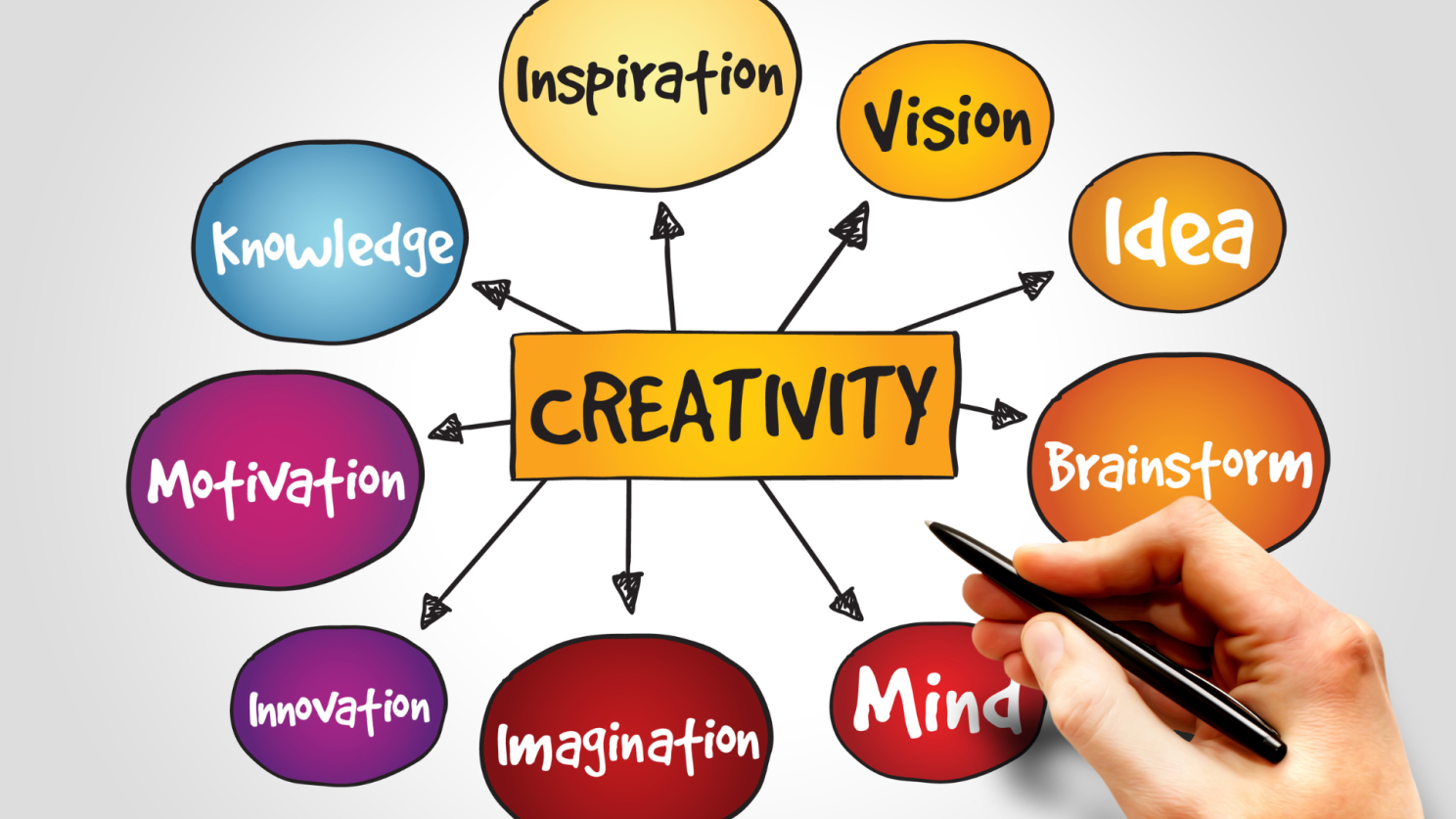
Unlike controlled tasks (e.g. grammar exercises) where learners can play it safe and fall back on memorization, creative tasks create a genuine communicative need, forcing students to use the language freely, in a non-structured way.
The final commercial product pushes language learning goals even further as advertising language is something students encounter constantly but rarely produce on their own. Learning to write and deliver a hook, a tagline, and a call to action are highly transferable skills set in a task that feels playful, rather than academic.
Project #2: 100 Uses for Common Objects
This project can take place over a span of many classes. Here’s the order of action:
1) Assign the object
Assign each group of 2-3 students their object. You can turn this into something theatrical, like doing a big reveal dramatically into the camera, or let groups draw from a hat in a shared screen moment. You can find an online random drawing platform with a quick Google search!

Once each group has their object, ask students to locate or visualize their object at home before the brainstorm begins. If students can quickly access the object, have them go get it and show it on camera.
2) The brainstorm race

Groups have a set time to come up with as many uses for their object as possible. Encourage wild, funny, and impractical ideas alongside sensible ones. The goal is quantity first. All ideas must be discussed and recorded in English.
Set a target (e.g. 30 uses minimum) and let groups push towards 100 and beyond. You can give each group a shared document to work on or split them into breakout rooms on Zoom and have one person as the designated note taker. The group that comes up with the most uses can win a prize.
3) Curate and choose the best uses

From their full list, each group selects the top 5-10 uses they want to highlight in their item commercial. They need to decide:
- What’s the “identity” of this item?
- What uses are most appealing to the target market?
- How much would people be willing to pay for it?
4) Watch examples of great commercials
Show 3-4 commercials on your shared screen and discuss as a class what makes a commercial effective. Make a list of the key features of a commercial that keeps people’s attention and entices them to pull out their wallets to make a purchase.
Emphasize that advertising language is exaggerated, enthusiastic, and direct!
5) Write the commercial script

Groups write a 1-2 minute commercial script, keeping in mind the list of what makes a great commercial as discussed in step #4. Provide a structure to scaffold if needed: an attention-grabbing opening line, the “problem” their product solves, a demonstration of 2-3 uses, a memorable tagline, and a closing call to action.
6) Rehearse and refine
Groups rehearse their commercial in breakout rooms. Encourage them to think about their delivery in terms of tone, pace, emphasis, energy, and discuss how to hold up or demonstrate their object effectively on screen. You can circulate between the breakout rooms to give feedback on language accuracy, pronunciation, and performance.
7) Showtime!

Each group performs their commercial live to the class. The audience watches and notes what they liked. To make it extra fun and competitive, have the class vote on:
- Most creative uses
- Best tagline
- Most convincing performance
Hold a brief class discussion after each pitch, asking questions like “Would you buy this? Why or why not?” This generates more authentic, spontaneous speaking.
8) Language debrief

Once all groups have performed their commercials, bring the students back together to reflect on the language that came up. Collect useful advertising phrases on a shared document and discuss what made certain scripts more persuasive than others. You can also talk about how commercial language differs from everyday speech and go even deeper into the art of persuasion, if you want.
Benefits of Thinking Creatively in a Second Language
One of the not so obvious benefits of this “100 Uses for Common Objects” project is what it does to students’ relationship with English itself. Many learners, especially at intermediate levels, feel constrained as they often know what they want to say and have the vocabulary to say it, but get stuck on how to piece it together in their target language. Tasks with a single correct answer reinforce this anxiety.

This project flips that dynamic as there is no correct answer. The student who says “a broccoli could be a tiny tree for a model village” is not wrong, they’re just being creative. And most importantly, they used English to get there.
When learners discover that they can be funny, inventive, and persuasive in their second language, something shifts in their confidence. The language stops feeling like a restriction and starts feeling more like a tool.
Let us know if you try this activity in your online English classes with your intermediate to advanced learners! Stay tuned for the next project in this series, coming up next week!

Related Posts