
One of the best ways to slow travel the world without waiting until retirement is…

Must-Learn English Travel Phrases for Your ESL Students (Part 1)
One of the most common reasons people learn English is to travel. Whether your students are planning a vacation, moving abroad, or visiting family in foreign countries, English often becomes their bridge language.

From airports to hotels to restaurants, English is widely used in international travel, even in countries where it’s not the native language. Of course, it’s highly encouraged to learn a few key phrases in the local tongue, but a good grasp of English travel vocabulary will go a long way in making your students’ journey smoother, wherever in the world they may be.
This three-part article series will give you ready-to-teach travel phrases, organized by situation, with translations in Spanish and Portuguese to support your English language learners from across Latin America.
Part 1: Getting Around (Airports, Transportation & Directions)
These are the phrases students will use or hear from the moment they leave home to arriving at their destination.
1) At the Airport
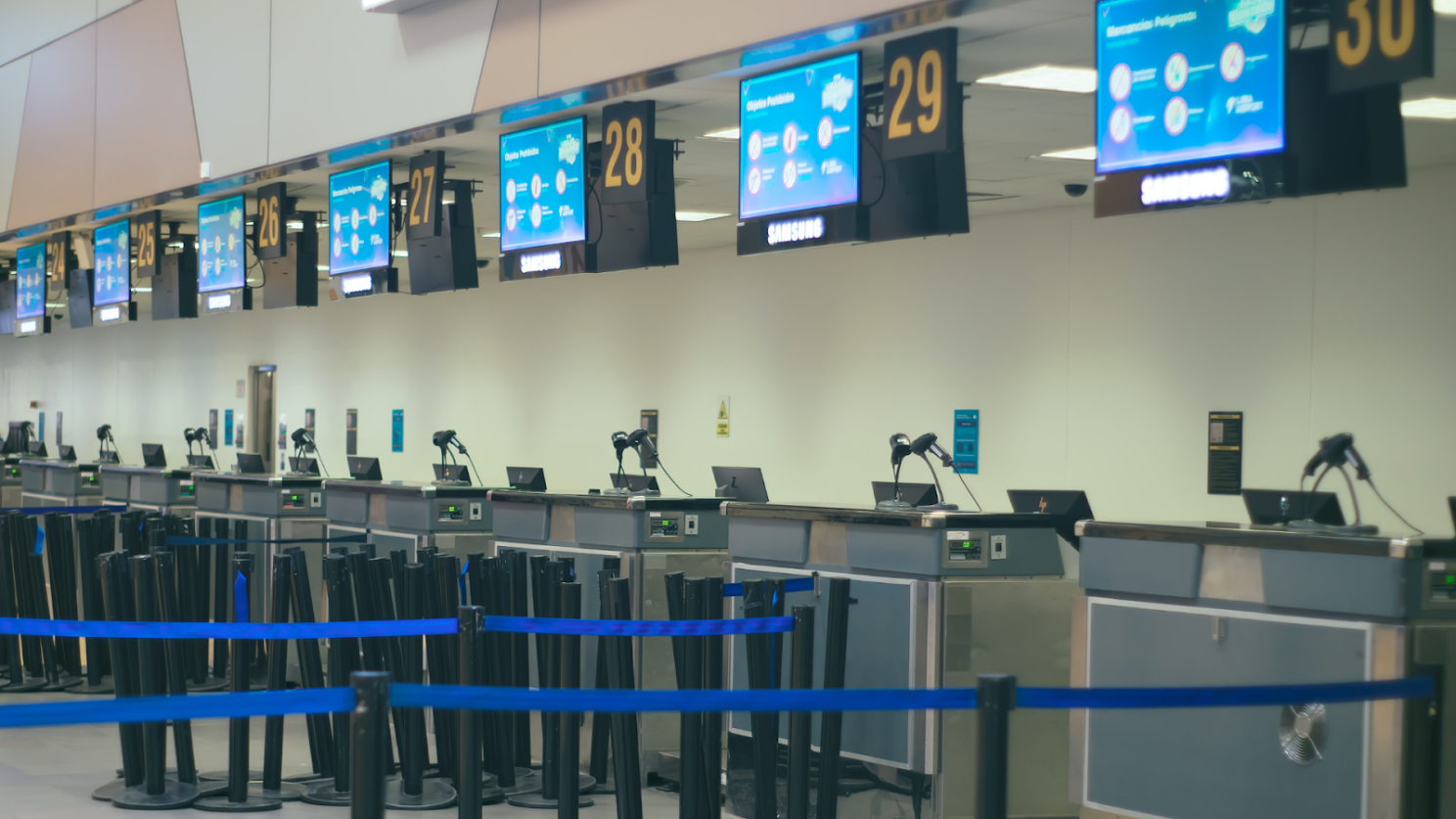
Where is the check-in counter?
- Spanish: ¿Dónde está el mostrador de facturación?
- Portuguese: Onde fica o balcão de check-in?
Can I see your passport?
- Spanish: ¿Puedo ver su pasaporte?
- Portuguese: Posso ver seu passaporte?
How many bags are you checking in?
- Spanish: ¿Cuántas maletas va a facturar?
- Portuguese: Quantas malas você vai despachar?
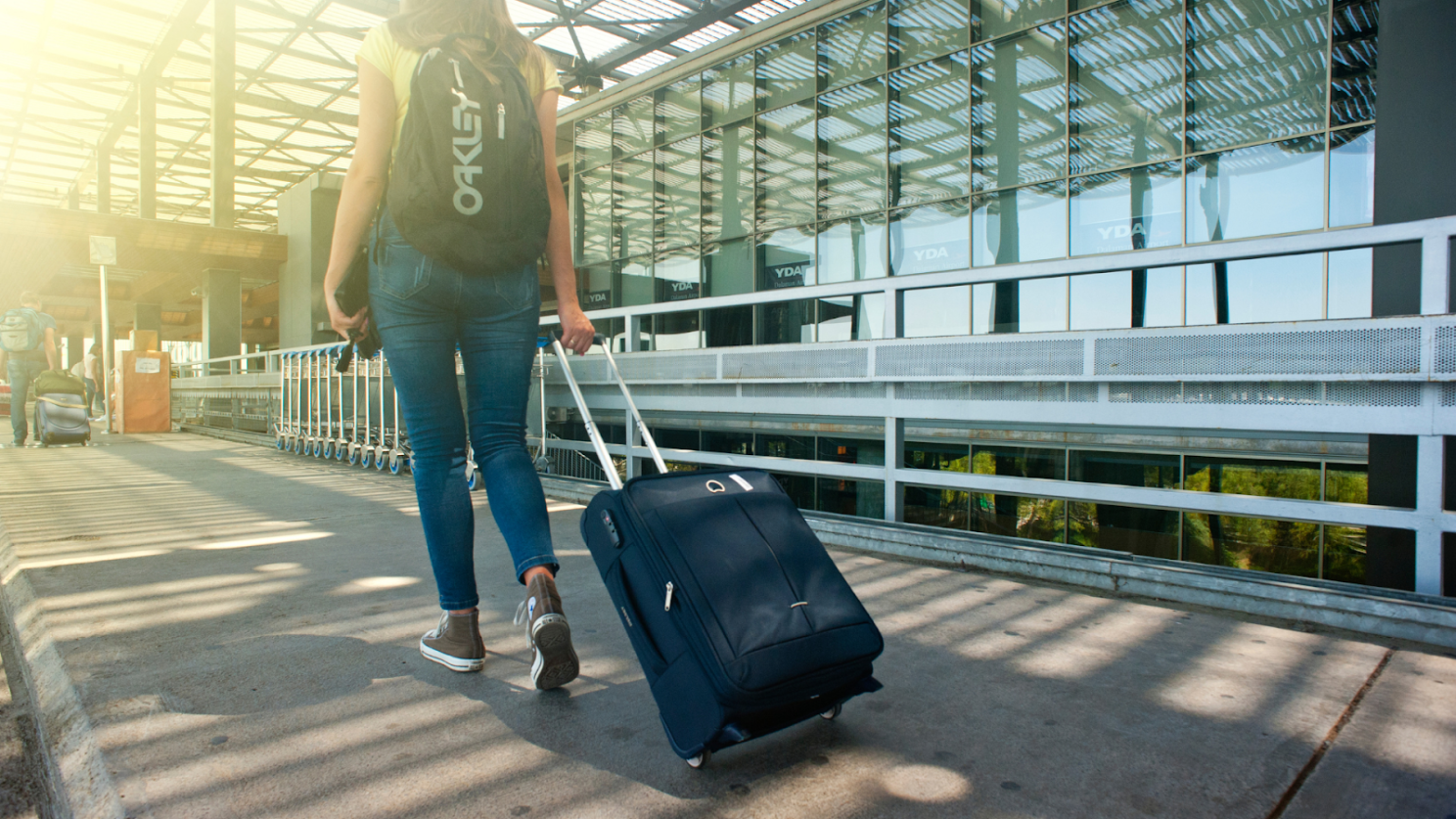
Do you have any carry-on luggage?
- Spanish: ¿Tiene equipaje de mano?
- Portuguese: Você tem bagagem de mão?
What time is boarding?
- Spanish: ¿A qué hora es el embarque?
- Portuguese: A que horas é o embarque?
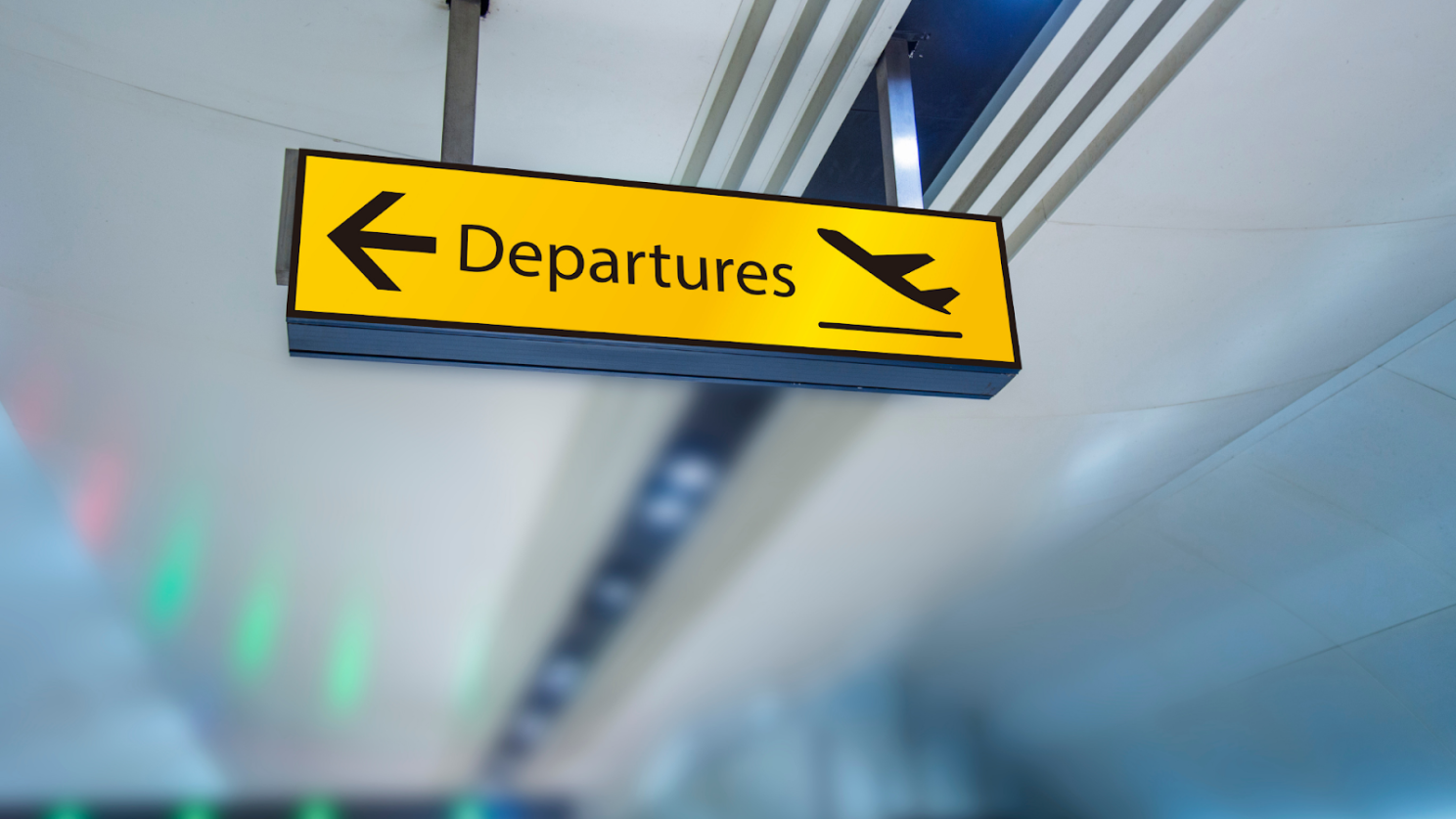
Where is the departure gate?
- Spanish: ¿Dónde está la puerta de embarque?
- Portuguese: Onde fica o portão de embarque?
Is the flight on time?
- Spanish: ¿El vuelo está a tiempo?
- Portuguese: O voo está no horário?
My flight is delayed.
- Spanish: Mi vuelo está retrasado.
- Portuguese: Meu voo está atrasado.
I lost my luggage.
- Spanish: Perdí mi equipaje.
- Portuguese: Eu perdi minha bagagem.
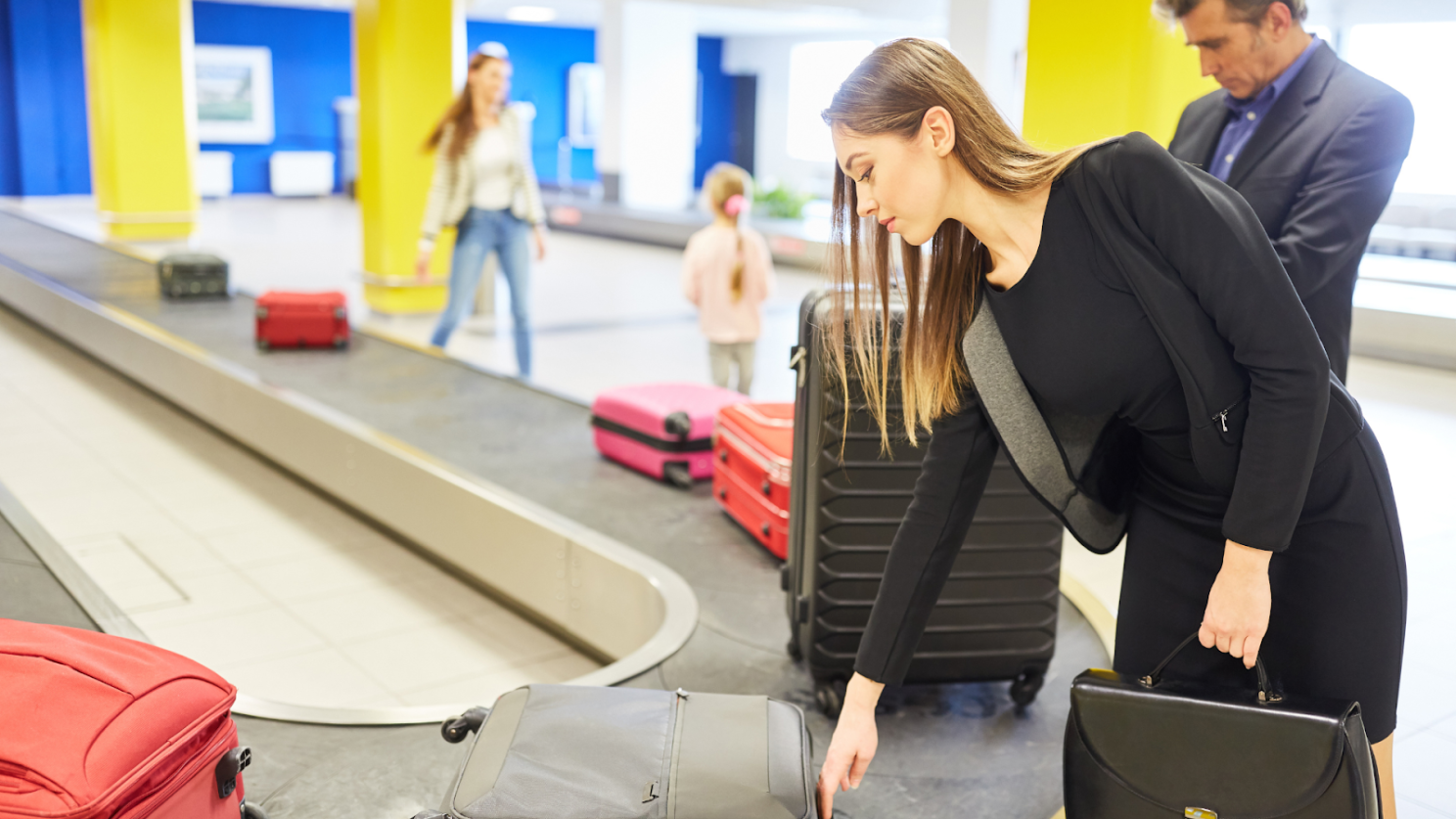
Where can I pick up my luggage?
- Spanish: ¿Dónde recojo mi equipaje?
- Portuguese: Onde retiro minha bagagem?
2) Transportation (Taxi, Bus, Train)
How much is the fare?
- Spanish: ¿Cuánto cuesta el viaje?
- Portuguese: Quanto custa a corrida?
Can you take me to this address?
- Spanish: ¿Puede llevarme a esta dirección?
- Portuguese: Você pode me levar a este endereço?
Please stop here.
- Spanish: Por favor, pare aquí.
- Portuguese: Por favor, pare aqui.
Is this seat taken?
- Spanish: ¿Este asiento está ocupado?
- Portuguese: Este assento está ocupado?
What time does the bus/train leave?
- Spanish: ¿A qué hora sale el autobús/tren?
- Portuguese: A que horas sai o ônibus/trem?
Where do I buy a ticket?
- Spanish: ¿Dónde compro un boleto?
- Portuguese: Onde compro um bilhete?
One ticket, please.
- Spanish: Un boleto, por favor.
- Portuguese: Um bilhete, por favor.
Does this bus go to the city center?
- Spanish: ¿Este autobús va al centro?
- Portuguese: Este ônibus vai para o centro?
3) Asking for Directions
Excuse me, can you help me?
- Spanish: Disculpe, ¿puede ayudarme?
- Portuguese: Com licença, pode me ajudar?

Where is the nearest bathroom?
- Spanish: ¿Dónde está el baño más cercano?
- Portuguese: Onde fica o banheiro mais próximo?
How do I get there?
- Spanish: ¿Cómo llego allí?
- Portuguese: Como chego lá?
Is it far from here?
- Spanish: ¿Está lejos de aquí?
- Portuguese: Fica longe daqui?
Can I walk there?
- Spanish: ¿Puedo ir caminando?
- Portuguese: Posso ir a pé?
Turn left/right.
- Spanish: Gire a la izquierda/derecha.
- Portuguese: Vire à esquerda/direita.

Go straight.
- Spanish: Siga recto.
- Portuguese: Siga em frente.
It’s next to / across from,..
- Spanish: Está al lado de / enfrente de…
- Portuguese: Fica ao lado de / em frente a…

To help make these phrases stick, try role playing real-life situations in your classroom. Have students act out airport check-in, taking a taxi, asking for directions, etc. Remember that travel situations are fast-paced, so make sure your students are pronouncing the words clearly, as clarity matters more than perfection.
Next week, we’re going to cover common travel phrases regarding accommodation, dining and shopping. Stay tuned!

Related Posts