Last week, we introduced niksen, the Dutch concept of deliberately doing nothing. We also shared…
Discuss Black Friday and Shopping Habits with Your ESL Students
As we’re heading to the end of November, shoppers around the world are looking forward to one of the biggest shopping events of the year: Black Friday!
From discounted electronics and clothing to special online offers, retailers use this day to attract customers with deals that can be hard to resist. But do you and your students know where Black Friday came from? And are those incredible discounts really as good as they seem?
Black Friday is a great opportunity to discuss shopping and consumer habits while getting your students to practice sharing their opinions in English. You can do a quick lesson about the history of Black Friday in one of your online ESL classes this week, and then ask your students some questions about this topic.
A Brief History of Black Friday
Black Friday takes place on the Friday following Thanksgiving in the United States, which falls on the fourth Thursday of November. Traditionally, it marks the beginning of the holiday shopping season.
But the name “Black Friday” didn’t originally have anything to do with shopping discounts. The term was coined back in the 1950s and 1960s in Philadelphia, where police officers used it to describe the chaos that followed Thanksgiving. Large crowds of shoppers and tourists would arrive in the city ahead of the annual Army-Navy football game, creating heavy traffic, crowded streets, and extra work for police officers.

Retailers eventually adopted the term and gave it a more positive meaning. A popular explanation is that Black Friday refers to the point when businesses move “into the black,” meaning they become profitable rather than operating “in the red,” or at a loss.
Over time, Black Friday became one of the biggest shopping days of the year in the United States (and around the world too). As online shopping grew, the event expanded beyond physical stores, allowing customers to find deals from the comfort of their homes.
Black Friday Vocabulary

Introduce some useful shopping-related vocabulary to help your ESL students express themselves more naturally.
- Bargain: Something bought at a lower price than usual.
- Discount: A reduction in the original price of a product.
- Impulse buying: Purchasing something without planning or thinking carefully about it.
- Retailer: A business that sells products directly to customers.
- Consumer: A person who buys goods or services.
- Limited-time offer: A special deal that is only available for a short period.
- Overspending: Spending more money than you can afford or intended to spend.
- Buyer’s remorse: The feeling of regret after making a purchase.
Ask your students to create their own sentences and describe a recent purchase using these words.
After your students learn about the history of Black Friday and are comfortable with some useful shopping vocabulary, here are some discussion questions you can use to encourage speaking about real-life shopping scenarios.
Questions about Shopping Habits
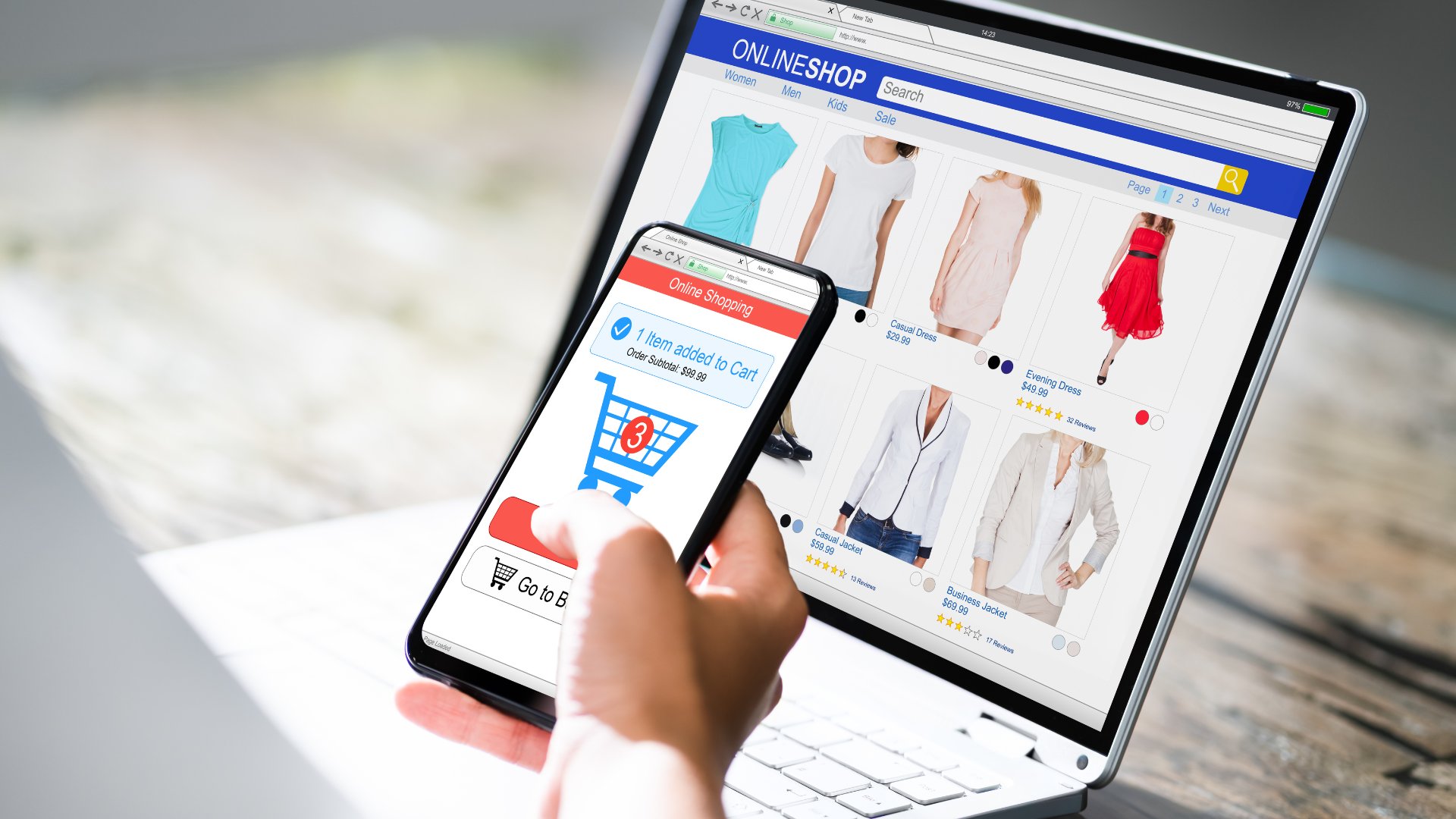
- Do you enjoy shopping? Why or why not?
- Do you prefer shopping online or visiting physical stores?
- How often do you go shopping?
- What is the last thing you bought for yourself?
- Do you usually make a shopping list, or do you buy things spontaneously?
- Have you ever bought something you didn’t really need?
- Are you good at saving money, or do you tend to spend it quickly?
Questions about Black Friday and Shopping Deals

- Have you ever shopped during Black Friday? What did you buy?
- Does your country celebrate Black Friday? Are there similar big shopping events?
- What types of products do you think offer the best deals during Black Friday?
- Would you wait several weeks to buy something if you knew it might go on sale?
- Have you ever purchased something just because it was on sale?
- Do you think Black Friday discounts are always genuine? Why or why not?
- Would you rather receive a 50% discount on something you want or get something you need for free?
Questions about Smart Shopping and Consumer Habits

- What are some ways to avoid overspending while shopping?
- How can you tell whether something is a genuine bargain?
- Do you compare prices between different stores before making a purchase?
- Have you ever experienced buyer’s remorse? What happened?
- Do you think social media influencers encourage people to buy things they don’t need?
- Do you think people buy too many unnecessary things?
- How can someone become a smarter shopper?
Questions about Whether Black Friday is Worth It
- Do you think Black Friday encourages unnecessary consumerism?
- Are shopping holidays good for the economy, or do they encourage people to waste money?
- Should stores be allowed to advertise huge discounts if the original prices were recently increased?
- Is buying something on sale still saving money if you didn’t need it in the first place?
- Do you think online shopping has made people more impulsive consumers?
- Would you support a Buy Nothing Day instead of Black Friday? Why or why not?
Black Friday is a fun opportunity to discuss shopping and consumer culture with your students. What are you waiting to buy this Black Friday? Share it in the comments section!

Related Posts