
For some reason, English plurals have a way of making things more complicated than they…

Fall into English: 7 Fun Autumn-Themed Activities for Online ESL Classes
As the leaves turn orange and the weather gets cooler, autumn brings lots of opportunities to make English lessons more engaging. From seasonal vocabulary to creative storytelling, autumn can inspire meaningful conversations and interactive activities in your online ESL classroom.

Seasonal lessons are also a great way to connect language learning with students’ everyday lives. By exploring familiar experiences, discussing cultural traditions, and getting creative with language, students can build their vocabulary, practice speaking, and develop greater confidence in English.
Here are seven fun autumn-themed activities you can try in your online ESL classroom:
1) Build an Autumn Vocabulary Bank

Start with the basics by introducing vocabulary related to autumn. Display a collection of seasonal images and ask students to identify what they see. You can include colourful leaves, pumpkins, scarves, rainy days, warm drinks, etc.
Once students have learned some new words, encourage them to use them in complete sentences. For example, “The leaves change colour in autumn.”
You can also introduce some descriptive adjectives, such as crisp, breezy, colourful, cozy, and chilly to give your students more ways to express their feelings during fall.
Fun game: Play a quick round of “What Am I?” Describe an autumn-related object without naming it and have students guess the answer. For example: “I am orange, I grow in a field, and people often carve faces into me. What am I?” (Answer: Pumpkin)
2) Play an Autumn Scavenger Hunt
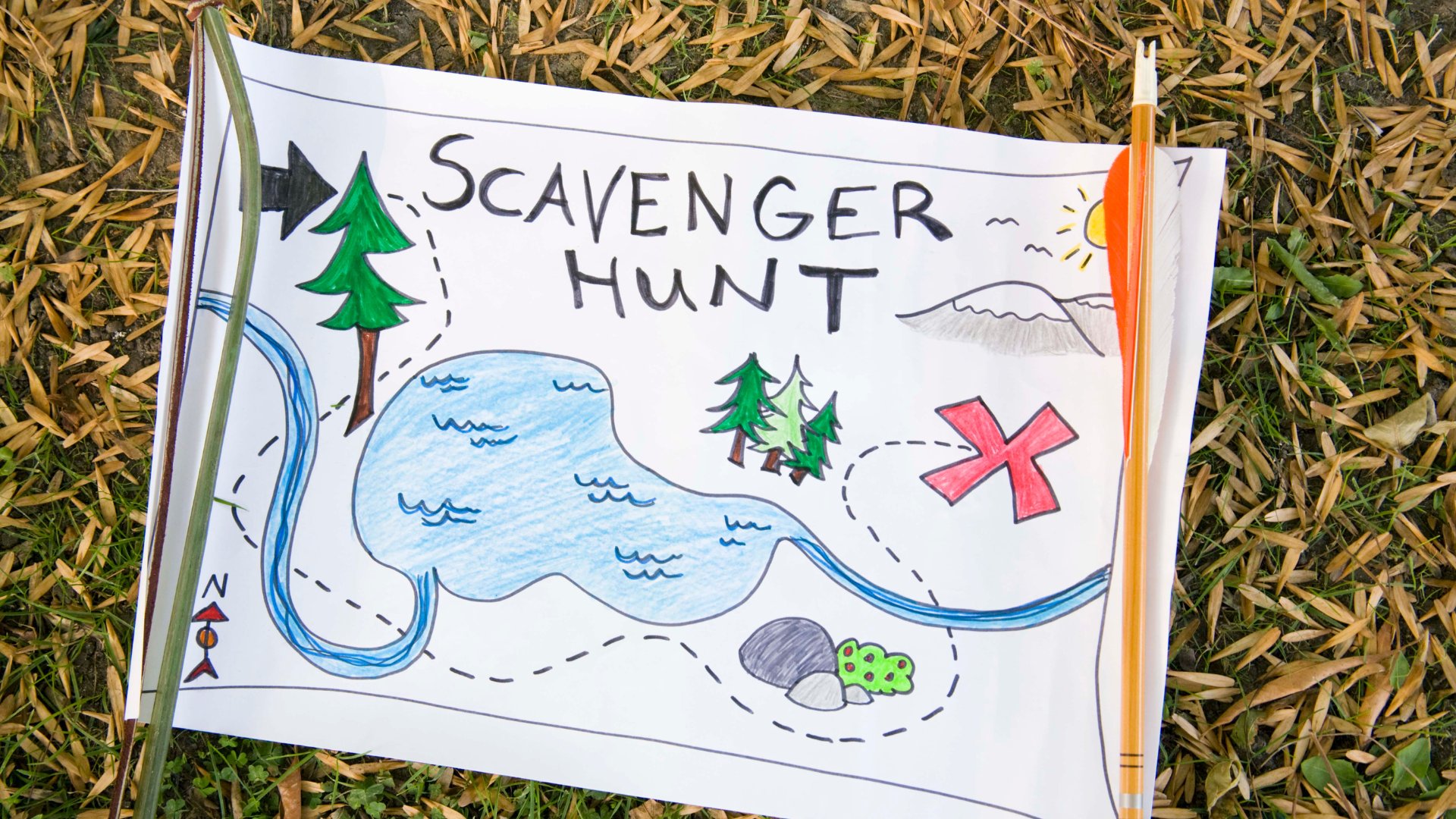
A scavenger hunt is a fun and simple way to get students moving and thinking in English. Give students a list of autumn-related items to find around their homes, such as something orange, a warm piece of clothing, a book with a colourful cover, or a fallen leaf from a plant.
Give them a few minutes to search before returning to the screen to share their findings. Ask your students to describe each item using complete sentences. For example, “This is a sweater I wear when the weather gets cold.”
Turn it into a competition: You can make this activity a timed challenge and award points for each item found. Bonus points can be awarded to students who incorporate newly learned vocabulary correctly.
3) Tell a Story with Autumn Picture Prompts
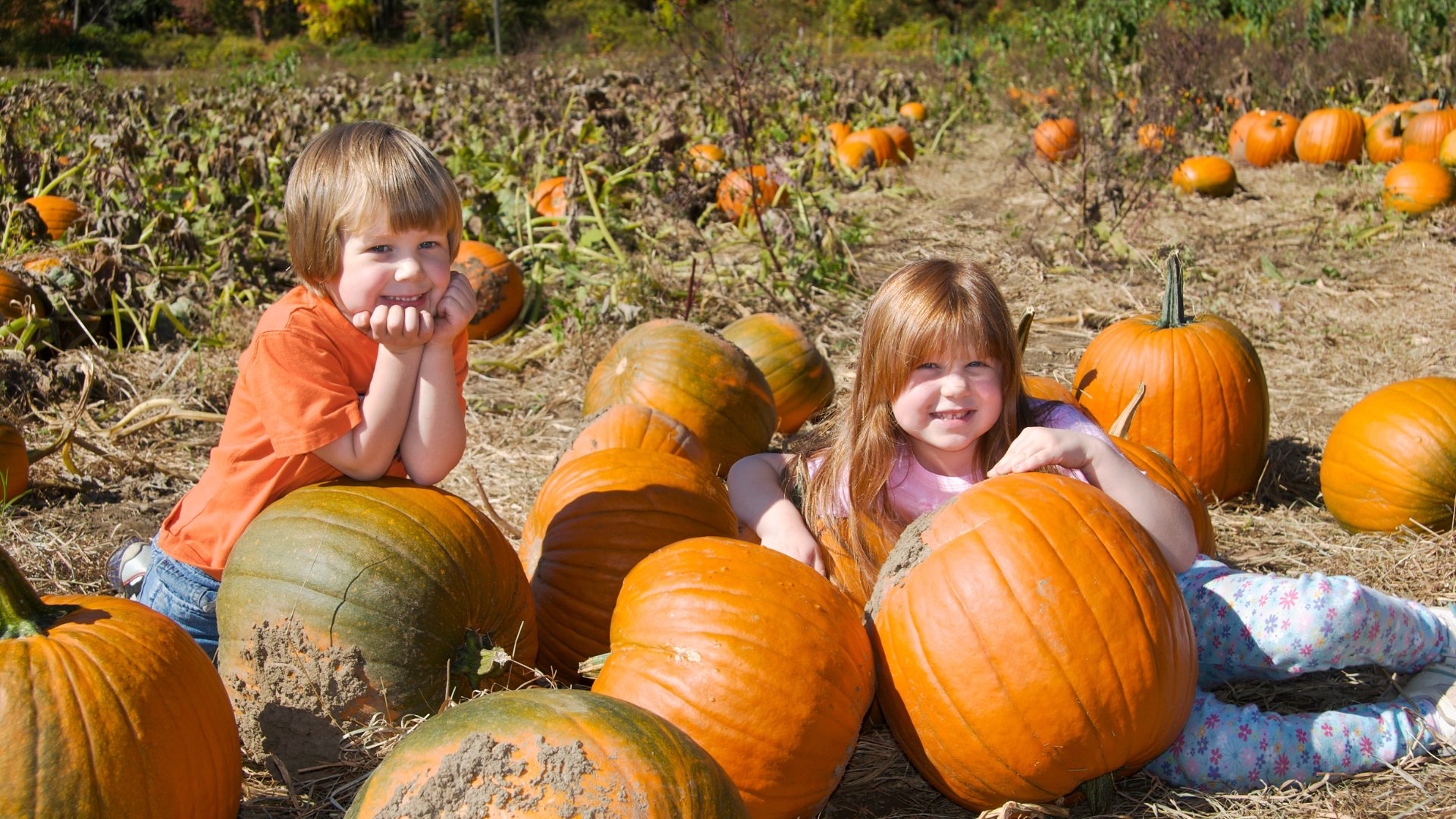
Choose an autumn-themed image, such as a forest covered in colourful leaves, a family picking pumpkins, or someone walking through the rain. Ask your students to imagine what is happening in the picture and to create a story.
Who are these people? Where are they going? What happened before this moment? What might happen next?
For beginner learners, provide sentence starters such as:
- I can see…
- The weather is…
- I think the person is…
- Maybe they will…
More advanced students can use the image as inspiration for a longer story, using dialogue, descriptive language, and different verb tenses.
Make it interactive: Have each student contribute one sentence to create a collaborative autumn story. Each new sentence must connect to what the previous student said, resulting in a story that becomes more imaginative with every turn.
4) Explore Autumn Traditions Around the World

Autumn is celebrated in different ways across the world, making it an excellent topic for cultural exchange and conversation practice.
Introduce students to seasonal celebrations and traditions, such as Thanksgiving in Canada and the United States, Halloween, the Mid-Autumn Festival in China, or the harvest festival of Chuseok in South Korea.
Invite students to compare these celebrations with traditions in their own communities. They may discuss special foods, family gatherings, decorations, or the significance of the season.
Presentation idea: Ask students to become cultural ambassadors by sharing a short presentation about autumn traditions from their country or family. This gives them an opportunity to share about their culture in English while learning from one another.
5) Share Fall-Related English Idioms

Idioms are a fun way to help students move beyond textbook English and understand how native speakers communicate in everyday situations.
Introduce a few expressions related to autumn, nature, or changing seasons:
- Turn over a new leaf: To make a fresh start or change your behaviour for the better.
- Fall into place: When things begin to make sense or work out as planned.
- A breath of fresh air: Someone or something that feels new, refreshing, or different.
- Under the weather: Feeling slightly ill or unwell.
To explore more autumn-related idioms, check out our previous article highlighting 10 fall idioms with their meanings and examples.
Play pictionary: Have students draw out an autumn idiom while their classmates guess which one it is. Then they have to explain the meaning and give an example.
6) Host an Autumn-Themed Debate

For intermediate and advanced learners, a friendly debate is an excellent way to practice expressing opinions, supporting arguments, and responding to different perspectives.
Choose a lighthearted autumn topic, such as:
- Is autumn better than summer?
- Is it better to stay indoors or outdoors on autumn days?
- Is hiking or playing board games a better autumn activity?
Give your students a few minutes to prepare their arguments. Encourage them to use phrases such as “In my opinion,” “I see your point, however…,” and “Another reason I believe this is…”
Remind your students that the goal isn’t to win, but to communicate their ideas clearly, listen actively, and respectfully consider different viewpoints.
Use an online poll: You can run a poll before and after the debate to see if anyone changes their mind after hearing their classmates’ arguments.
7) Write an Autumn Bucket List

As the year begins to wind down, it may be a good time to talk about end-of-year goals, plans, and experiences students would like to enjoy before winter arrives.
Ask students to create a personal autumn bucket list with five to ten activities they would like to try. Their ideas might include visiting a pumpkin patch, hiking through a colourful forest, baking something new, reading a book, or spending more time outdoors.
Encourage them to write complete sentences using future-oriented expressions such as “I would like to…,” “I hope to…,” and “I am planning to…”
Once everyone has finished, invite students to share their lists and explain why they chose each activity.
Find something in common: Ask students to find one thing they have in common with a classmate. They can then discuss when, where, or how they might complete that activity.
Which of these autumn-themed activities would you like to try in your online ESL classroom? Share them in the comments below!

Related Posts