If you’ve been teaching English for any length of time, you’ve definitely heard students say…

Niksen for Online Teachers: The Lost Art of Doing Nothing (Part 1)
In the hustle and bustle of today’s world, being busy is often treated like a badge of honour while doing absolutely nothing can feel surprisingly uncomfortable. Online teachers are no strangers to being busy. From teaching back-to-back lessons and answering student questions to preparing teaching materials and giving feedback, there’s often little time to rest before going to bed and starting the whole cycle again the next day.

Even breaks can be filled with busy-work: checking social media, listening to a podcast, responding to messages, or catching up on a task you didn’t have time to do earlier. But what if your breaks didn’t have to accomplish anything?
In a world of burnout, stress, and growing mental health concerns related to over-working, maybe it’s time we do something different. Introducing niksen, the Dutch concept of deliberately doing nothing.

What is Niksen?
Niksen is a Dutch word that roughly translates to “doing nothing.” Unlike meditation or mindfulness, where you intentionally focus your attention on your breath, thoughts, or surroundings, niksen doesn’t require you to achieve a particular mental state.
There is no goal. No productivity hack. No self-improvement objective. You simply do nothing.
This can be surprisingly difficult as we’re so accustomed to filling every empty moment that simply sitting and staring out a window can feel like a waste of time.
We reach for our phones when we have nothing to do. We put on music or a podcast while walking. We check emails while waiting for a student to join a lesson. But niksen asks us to resist that instinct. Not every moment needs to be filled with something.

Doing nothing gives your brain the chance to step away from constant stimulation. It creates space for your thoughts to wander and helps you recharge. Niksen is all about existing without having to do or produce anything. In a culture that constantly tells us to do more, niksen gives us permission to do less. And our body finally gets the rest it desperately needs.
How Online Teachers Can Practice Niksen
You don’t need to spend an entire afternoon doing nothing. In fact, niksen can be much simpler than that. Here are five easy ways to introduce a little niksen into your teaching routine.
1) Take a Phone-Free Break Between Classes
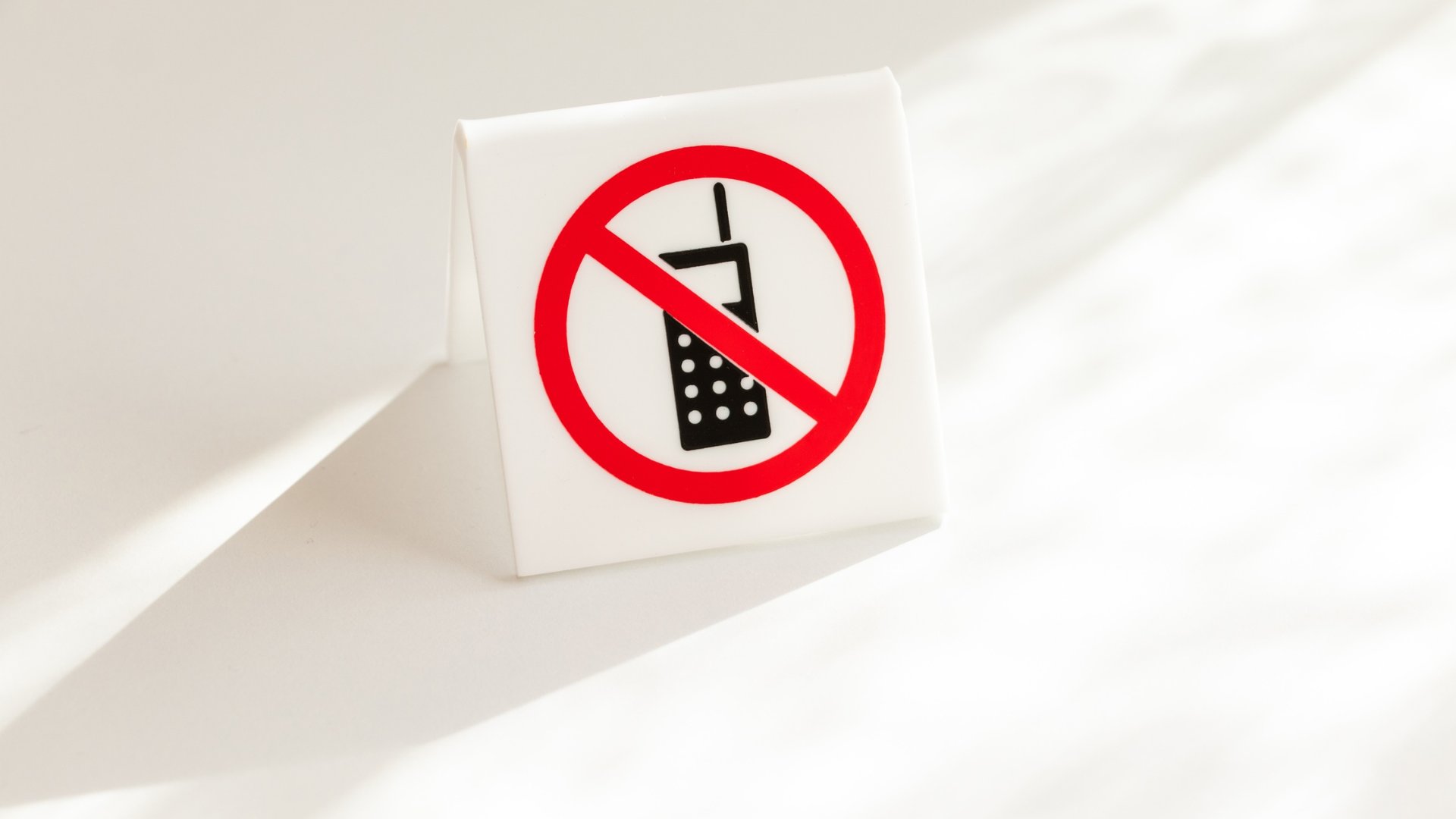
If you have 10 to 15 minutes between lessons, resist the temptation to immediately grab your phone. Instead, sit somewhere comfortable and do nothing.
Give yourself those few minutes to truly unwind before transitioning to the next class. Don’t respond to messages or check off a task on your to-do list. Simply just be.
By giving yourself permission to have a few minutes where you don’t need to accomplish anything, your mind can have a proper rest and you’ll feel much calmer and less stressed in subsequent classes.
2) Look Out the Window

This might sound almost foolishly simple, but that’s the whole point. Find a window and spend a few minutes observing what’s happening outside.
Look at the trees. Watch people walk by. Notice the weather. Watch the birds. Let your attention move naturally from one thing to another without a goal in mind.
There’s nothing to accomplish and nothing to learn. You’re simply giving yourself a moment to observe the world without needing to interact with it.
3) Add Moments of Empty Space in Your Schedule

If your schedule allows it, avoid booking classes back-to-back all day. Even a 10-minute gap can make a big difference.
The important part is to not automatically turn that gap into another work period. It can be tempting to use those extra minutes to answer emails, mark assignments, or prepare tomorrow’s lessons. But if you’re already working for most of the day, your schedule needs moments of genuine rest, too.
Make these empty spaces in your calendar something worth protecting, not time that needs to be filled.
4) Have a “No Productivity” Coffee or Tea Break

Coffee and tea breaks can easily become another opportunity to multitask. You grab your drink, check your emails, and suddenly your “break” turns into another work session.
Instead, try having a drink with absolutely no agenda.
Sit somewhere comfortable. Drink your coffee or tea (or any other drink) without doing anything else. Don’t check your emails. Don’t lesson plan. Don’t scroll on social media. Just simply sit and savor your drink.
And if you catch yourself thinking, “I should really be doing something right now,” notice that feeling without acting on it. The discomfort is part of the practice.
5) Take a Walk Without a Podcast

Walking is already a great way to take a break from your computer, but it’s easy to turn it into another opportunity to consume information.
Try occasionally going for a walk without a podcast, audiobook, music, or phone call. Instead, listen to what’s around you and let your thoughts wander. Notice the people, trees, buildings, or changing weather. Let your thoughts come and go without directing them toward a particular topic.
You may be surprised by how unfamiliar, and yet refreshing, silence can be.
Give niksen a try today and start incorporating small moments of doing nothing into your daily life. You will find that giving your mind a complete break helps you feel calmer, more refreshed, and more present.
Stay tuned for next week’s article, where we cover five more ways for online teachers to practice niksen.

Related Posts