Online teachers wear many hats. Beyond teaching itself, they’re constantly juggling classroom management, lesson prep,…
5 Practical Goals for Online Teachers in 2026
The start of the new year is a motivating time to reflect, reset, and write new goals. Last week, we introduced a New Year’s Resolution Bingo activity you can use with your students to help them set 2026 goals in a fun way. This week, we’re focusing on you, the teacher.

You likely begin the year with good intentions to teach better, earn more, and feel less stressed. But vague resolutions like these rarely survive past January. Instead of setting goals that sound inspiring but lead to little real change, 2026 is your chance to focus on practical goals that can fit into your real teaching schedule, energy levels, and online classrooms.
Here are five realistic, actionable goals online teachers can set for 2026, whether you teach ESL, sciences, maths, business, or any other subject.
1) Design Lessons That Do More With Less
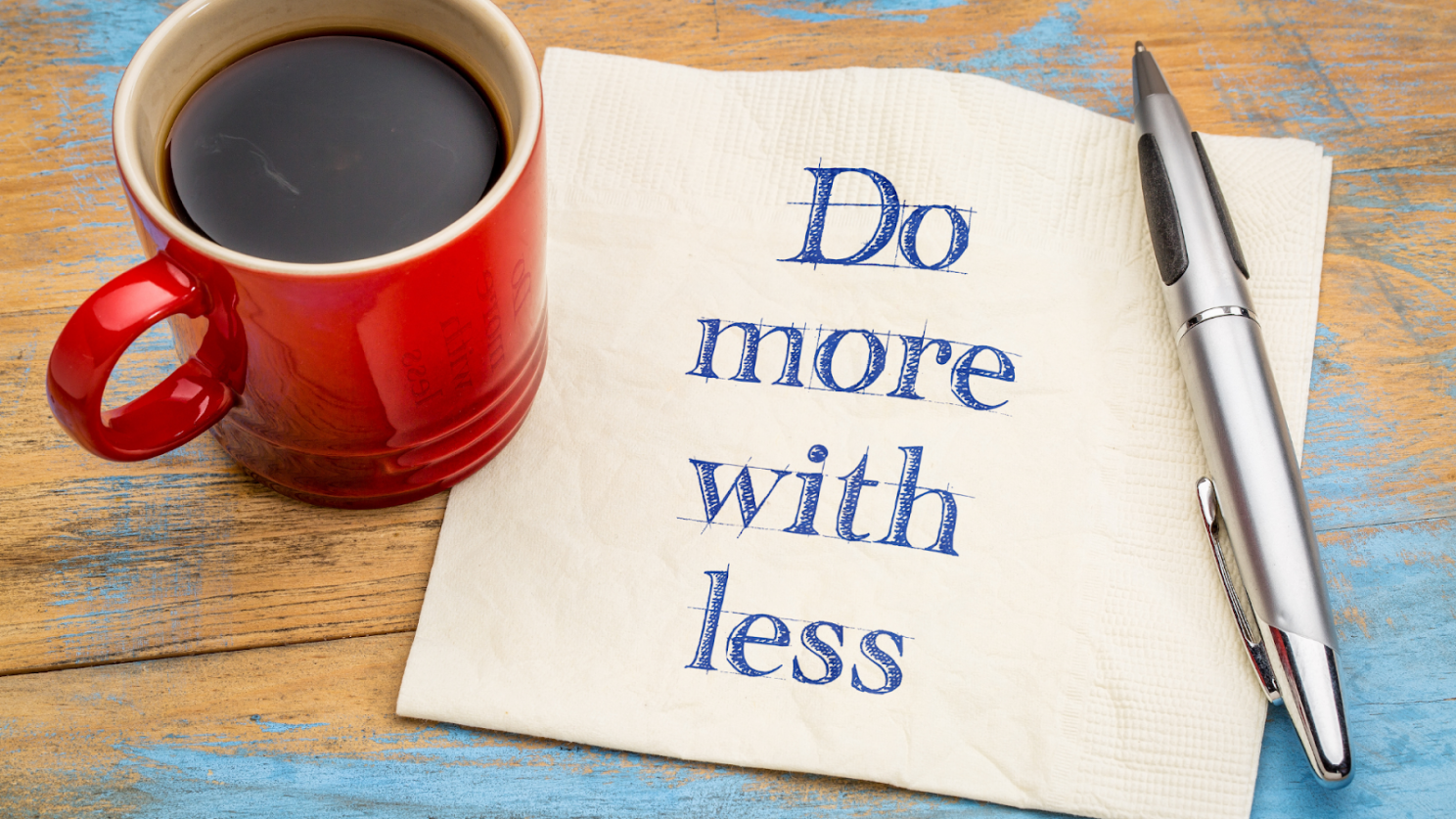
Many online teachers tend to over-plan; cramming more slides, more activities, more worksheets into an ever-growing Google Drive. But doing more doesn’t automatically lead to better learning. In fact, simplicity is often far more effective.
A practical goal for 2026 is to create lessons that achieve one clear outcome instead of trying to cover everything at once. Try some of the following:
- Focus on only one skill per lesson (e.g. using a specific grammar structure, balancing an equation, or writing a short elevator pitch).
- Reuse strong lesson frameworks instead of reinventing the wheel in each class.
- Build a small library of go-to-activities that work across different levels, so you can adapt instead of start from scratch for new lessons.
This approach saves time, reduces burnout, and leads to stronger student outcomes.
2) Shift from Knowledge-Based to Skills-Based Teaching

Information is everywhere. Students don’t need teachers to simply deliver facts. They need guidance, feedback, and opportunities to practice.
A practical goal for 2026 is to design lessons around what students can do by the end of class. For example:
- ESL: Students hold a short conversation using the new vocabulary.
- Science: Students explain the law of conservation of mass in their own words.
- Exam prep: Students justify why an answer is correct.
When lessons are skills-focused, students better understand the purpose of what they’re learning, feel more confident, and participate more actively.
3) Improve Student Participation (Without Forcing Cameras On)

Low student engagement is one of the most common struggles of online teaching. Rather than relying on student motivation alone, a practical goal for 2026 is to build participation directly into your lesson design.
Here are some simple strategies you can try:
- Use predictable routines where student participation is expected, such as warm-up questions, breakout discussions, reflections).
- Model answers and give students enough time to prepare their answers before asking them to speak.
- Offer multiple ways to participate through the chatbox, microphone, polls, or sharing visuals.
When participation is expected and structured, students feel safer engaging and you’ll hear far less crickets when asking questions into the void.
4) Set Clear Boundaries Around Your Time

Online teaching can easily blur the line between work and personal life, especially when your teaching schedule is scattered throughout the day. Over time, picking up “just one more class” can quietly lead to burnout.
A practical goal for 2026 is to decide in advance how much work you want to do and protect that boundary. Pay attention to your energy level and mental state. If stress starts creeping in and you’re feeling signs of burnout, it’s time to pull back.
Actions that support healthier boundaries include:
- Blocking off non-teaching days.
- Setting firm hours for responding to messages and emails.
- Clearly outlining policies for missing classes or last-minute cancellations.
Stronger boundaries don’t reduce your professionalism, they enhance it by showing how much you value your own time.
5) Reflect on What Actually Worked in 2025
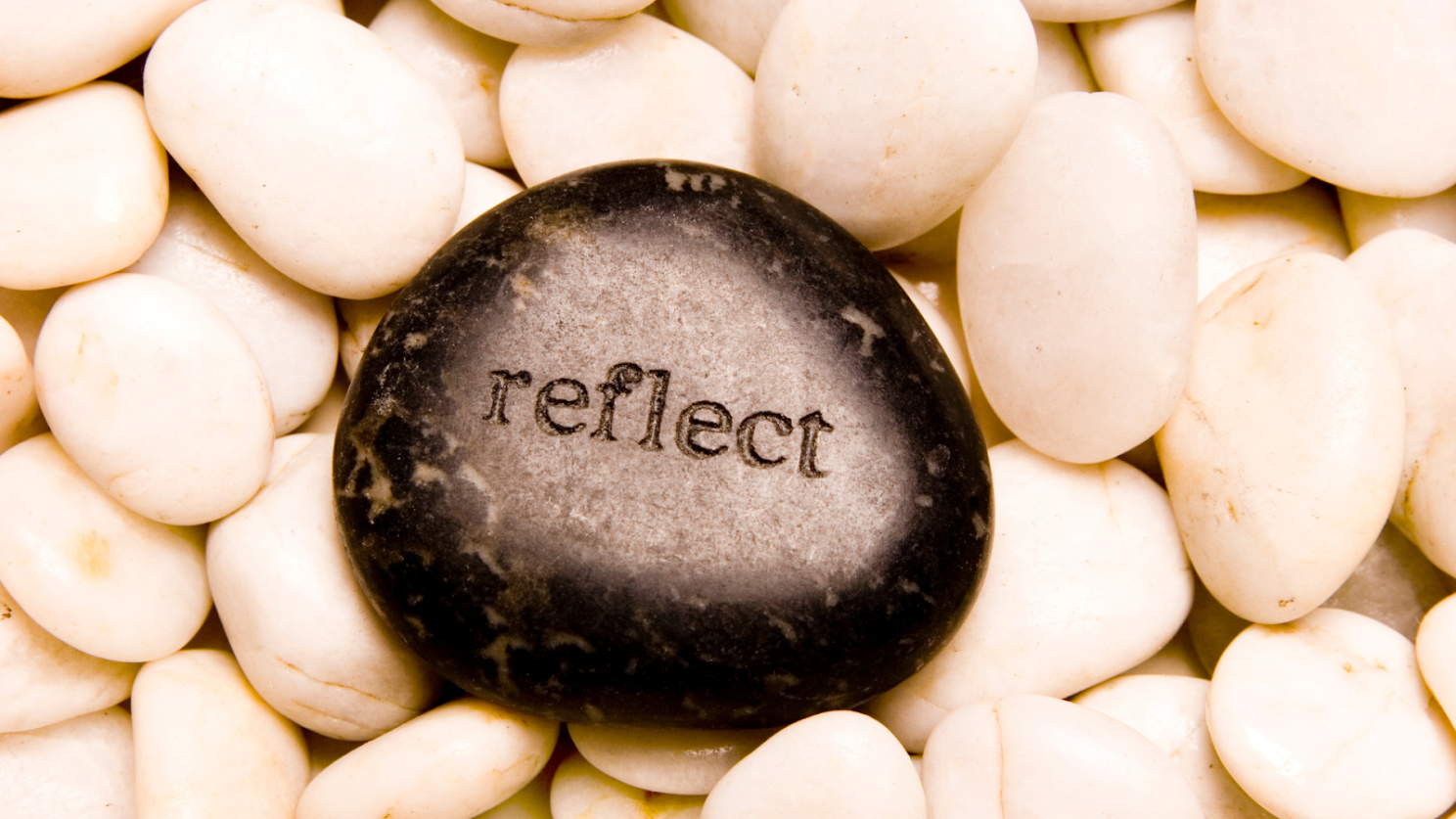
Before writing an entire set of new goals, take time to reflect on what worked and what didn’t in the previous year. Growth doesn’t always mean doing more new things, it can also mean doing more of what worked in the past.
Ask yourself:
- Which lessons felt easiest to teach?
- What activities had the highest student participation?
- What teaching strategies led to the strongest learning outcomes?
- What consistently drained your energy?
- When did you feel most refreshed after teaching?
Use these reflections to guide your goals for 2026. Cut what isn’t serving you, and lean into what is.
Remember, practical goals are sustainable goals and small, intentional changes can compound over time. What practical goals are you setting for yourself as an online teacher in 2026? Share them in the comments below!

Related Posts