
Last week, we introduced niksen, the Dutch concept of deliberately doing nothing. We also shared…

The Ultimate Guide to Teaching Countable and Uncountable Nouns in Your Online English Classes
If you’ve been teaching English for any length of time, you’ve definitely heard students say things like, “too much people,” “I need an advice,” or “many information.” What do all of these have in common? They all have the same grammatical error: mixing up countable and uncountable nouns.

This is one of the most common grammar mistakes English learners make because students often apply the same rules from their native language into English. However, with plenty of practice and real-life examples, students will improve in their use of countable and uncountable nouns naturally.
What are Countable and Uncountable Nouns?
Countable nouns are things we can count individually, such as one car, two oranges, three students, four tables, etc. Countable nouns can be either singular or plural. For example, “I bought an apple.” or “She has three dogs.”

Uncountable nouns refer to things we don’t normally count individually, like water, rice, and information. These nouns usually don’t have a plural form. For example, you’d say “I need some advice.” instead of “I need an advice.”
Common Countable and Uncountable Nouns Students Confuse

Here are a few of the most common mistakes ESL learners make.
Incorrect
Correct
an advice
some advice
many information
a lot of information
many money
a lot of money
furnitures
furniture
homeworks
homework
Pointing these out early can save students from developing habits that become difficult to break later.
Introduce Quantity Words

Once students start to notice the difference, introduce words that commonly go with each type of noun.
Countable: many, few, a few, several, a couple of, a number of
Example: I have many books.
Uncountable: much, little, a little, a bit of, a great deal of
Example: The cat drinks a little milk.
Both: some, a lot of, lots of, plenty of, enough
Example: We have lots of food.
Activities to Practice Countable and Uncountable Nouns
Activity 1: Kitchen Challenge
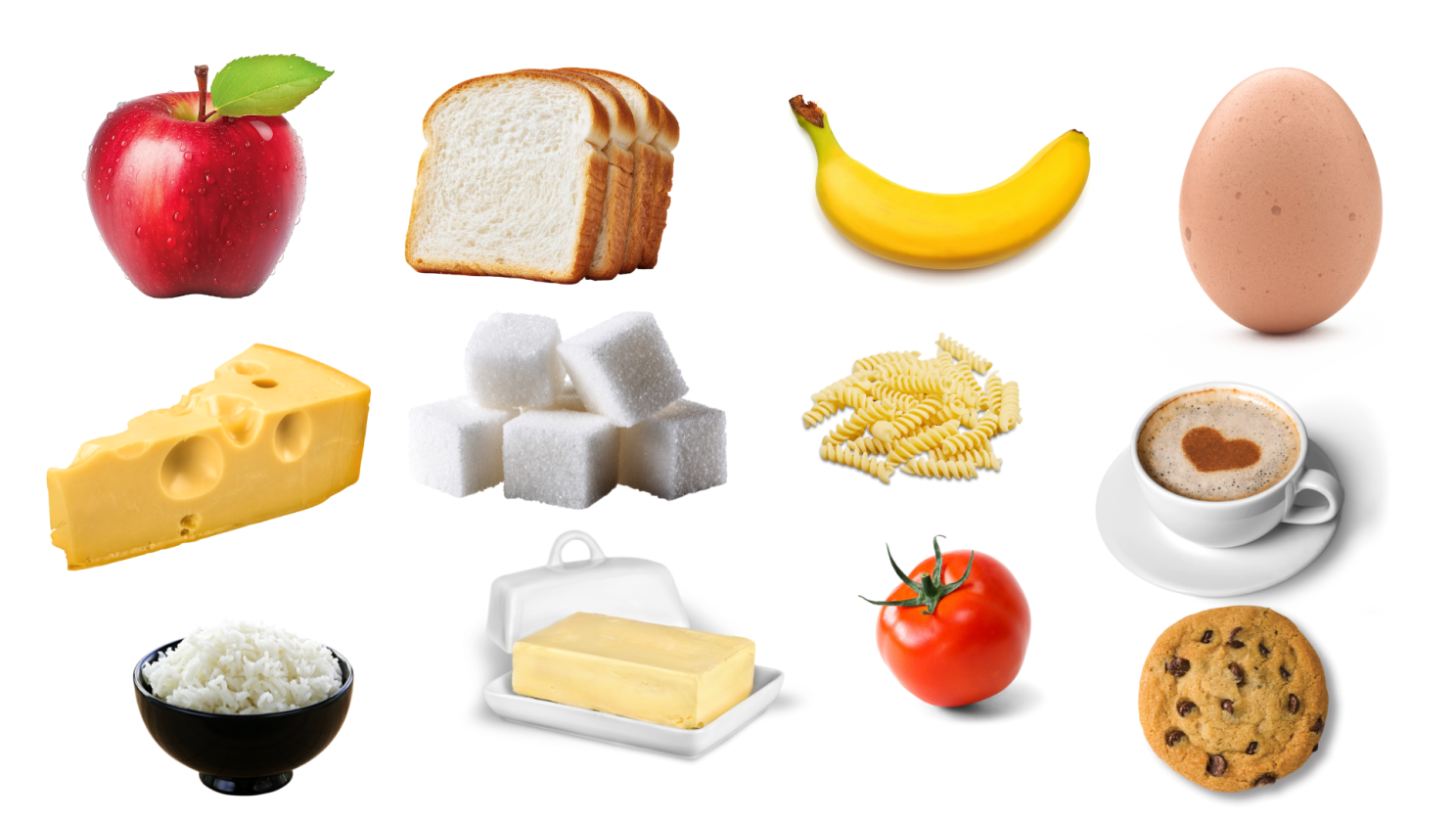
Show students pictures of food items or objects and have them identify whether it’s a countable or uncountable noun.
Examples: apple, cheese, bread, banana, sugar, egg, coffee, butter, tomato, rice, cookie, pasta
Have students make follow-up questions to make it more interactive. As students begin using grammar in meaningful conversation, it becomes easier to internalize the grammar..
- How many apples do you eat in a week?
- How much coffee do you drink?
- How much rice do you usually cook?
- How many eggs are in your fridge?
Activity 2: My Grocery List

Give students a budget of $100. Their task is to go shopping. They must create a grocery list using correct grammar. You can create your own grocery prices or use some catalogs you find online.
Example list:
- six apples
- two cartons of milk
- some cheese
- a loaf of bread
- three bananas
- a bag of rice
You can ask students to explain why they bought those items and what meals they will cook. This encourages repeated use of countable and uncountable nouns.
Activity 3: Spot the Mistake

Show students incorrect sentences and their task is to fix them.
Examples:
- I have many homework.
- She bought two breads.
- Can you give me an advice?
- There isn’t many milk left in the fridge.
- We need more informations.
- I have five furniture in my room.
- How many water do you drink daily?
Correct answers:
- I have a lot of homework.
- She bought two loaves of bread.
- Can you give me some advice?
- There isn’t much milk left in the fridge.
- We need more information.
- I have a piece of furniture in my room.
- How much water do you drink daily?
Challenge Your Students with Measurement Words

Many uncountable nouns in English have a measurement word that accompanies them. For example, water → a bottle of water.
Ask your students to write a measurement word for the following nouns. If they don’t know, they can take a guess.
- rice
- coffee
- bread
- cheese
- sugar
- furniture
- chocolate
- paper
- soap
- juice
Possible answers include:
- a bowl of rice
- a cup of coffee
- a loaf of bread
- a slice of cheese
- a bag of sugar
- a piece of furniture
- a bar of chocolate
- a sheet of paper
- a bar of soap
- a glass of juice
Explain how many uncountable nouns become countable when we add a unit of measurement.
Final Tips
Don’t expect your students to master countable and uncountable nouns after just one lesson. Keep bringing the concept back through everyday topics like food, travel, shopping, work, and hobbies. The more students hear and use these nouns in conversation, the more they will internalize the grammar. Just remember to make corrections when you hear or see mistakes!
Do you have any other strategies for teaching countable and uncountable nouns? Share them in the comments section!

Related Posts